Planning a trip to the Crescent City? This detailed 4 days in New Orleans itinerary provides a practical, day-by-day guide to experiencing the best of New Orleans, from its historic streets and vibrant music scene to its unique culinary traditions. Prepare to immerse yourself in a city unlike any other, where every corner holds a story and every meal is a celebration.
Itinerary at a Glance
| Category | Details |
|---|---|
| Best Time to Visit | February to May (spring festivals, mild weather) or October to January (cooler, fewer crowds after summer). |
| Typical Daily Costs (approx.) | Budget: £60-£100; Mid-range: £100-£200; Luxury: £200+ (per person, excluding accommodation). |
| Accommodation (approx. per night) | Budget: £80-£150; Mid-range: £150-£300; Luxury: £300+. |
| How to Get There | Fly into Louis Armstrong New Orleans International Airport (MSY). Public transport (Airport Express bus) or ride-share services connect to the city centre. |
| Getting Around | Walkable in key neighbourhoods (French Quarter, Garden District). Streetcars are iconic and efficient for longer distances. RTA buses and ride-shares are also available. |
| Currency | US Dollar ($). Credit cards widely accepted. |
Note: All prices are approximate and in GBP (£) as of October 2026. Please check current prices and exchange rates before your trip.
Getting Around New Orleans
New Orleans is a city best explored on foot, especially within its historic districts. The French Quarter, for instance, is highly walkable, with many attractions within a short stroll of each other. For longer distances, the city's public transport system, operated by the Regional Transit Authority (RTA), offers convenient options.
- Walking: Essential for enjoying the architecture and atmosphere of neighbourhoods like the French Quarter, Garden District, and Marigny. Wear comfortable shoes.
- Streetcars: An iconic and cost-effective way to travel. The St. Charles Avenue line is particularly scenic, connecting the French Quarter/CBD to the Garden District and Uptown. Fares are typically low, and day passes offer unlimited rides.
- Buses: The RTA bus network covers areas not serviced by streetcars, providing comprehensive city coverage.
- Ride-Shares/Taxis: Readily available throughout the city, offering convenience for late-night travel or when you prefer direct transport.
Purchasing a Jazzy Pass (available for 1, 3, or 31 days) is often the most economical option if you plan to use public transport frequently, as it covers all streetcar and bus lines.
Where to Stay in New Orleans
Choosing the right neighbourhood for your accommodation can significantly enhance your New Orleans experience, offering different vibes and access to attractions.
- French Quarter: Ideal for first-time visitors who want to be in the heart of the action. You'll be steps away from historic sites, restaurants, and nightlife. It can be lively, especially closer to Bourbon Street.
- Central Business District (CBD): Located adjacent to the French Quarter, the CBD offers a more modern feel with a mix of hotels, restaurants, and easy access to the National WWII Museum and public transport hubs. It's generally quieter than the French Quarter.
- Garden District: Known for its stunning antebellum mansions and lush greenery, this area offers a more tranquil and elegant experience. It's well-connected to the French Quarter by the St. Charles Avenue streetcar and offers a different perspective on New Orleans' history and architecture.
- Marigny/Bywater: East of the French Quarter, these neighbourhoods are known for their vibrant arts scene, colourful Creole cottages, and live music venues, particularly along Frenchmen Street. They offer a more local, bohemian atmosphere.
Day 1: French Quarter Foundations – Kickstarting Your 4 Days in New Orleans Itinerary
Your journey into the heart of New Orleans begins in the iconic French Quarter, a district rich in history, architecture, and atmosphere.
Morning: Historic Landmarks & Beignets
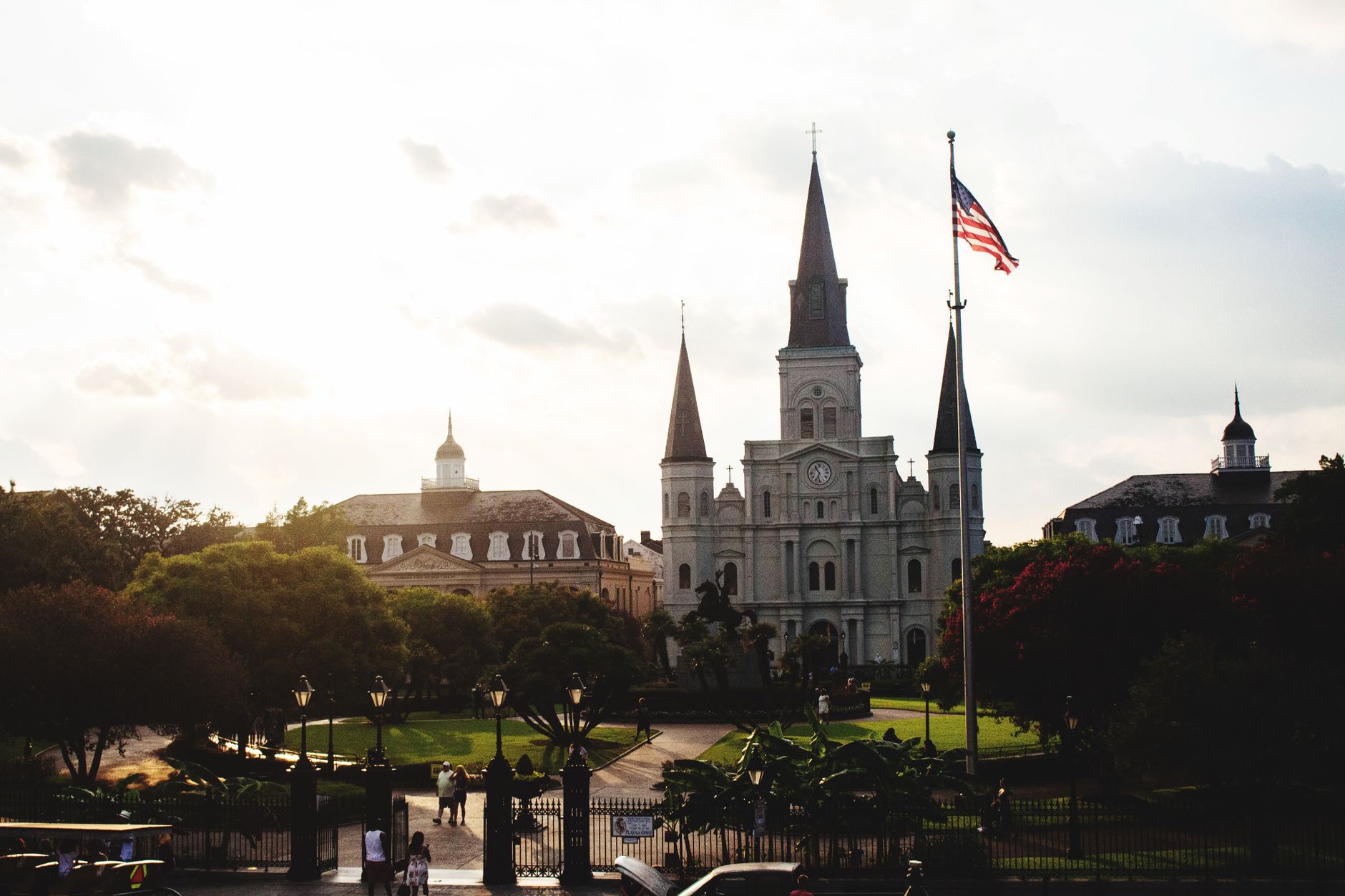
Start your day at Jackson Square, the historic heart of the French Quarter. Admire the equestrian statue of Andrew Jackson and the impressive façade of St. Louis Cathedral, one of the oldest continuously active cathedrals in the United States. Take a moment to browse the art displayed by local artists on the square's iron fence.
Book tickets and tours: Historic Landmarks
Just across the street, treat yourself to a quintessential New Orleans breakfast at Café Du Monde. Enjoy their famous chicory coffee and plate of powdered sugar-dusted beignets. Expect a queue, but it moves quickly and is part of the experience. Allow approx. £5-£10 for coffee and beignets.
Afternoon: French Quarter Exploration & Shopping
After breakfast, delve deeper into the French Quarter. Wander along Royal Street, known for its antique shops, art galleries, and historic buildings. You might catch a street performer or a live jazz band playing from a balcony. Explore the hidden courtyards and iron lace balconies that define the neighbourhood's charm.
Book tickets and tours: French Quarter Exploration
Consider a self-guided walk or a paid historical tour to learn about the area's unique Creole and Spanish influences. For a different vibe, stroll down Bourbon Street during the day to see its historic architecture before the evening crowds arrive.
Evening: Culinary Delights & Live Jazz
For dinner, seek out a restaurant offering classic Creole and Cajun dishes. Look for menus featuring gumbo, jambalaya, etouffée, and fresh seafood. Expect dinner to cost approx. £25-£50 per person, excluding drinks.
After dinner, head to Frenchmen Street in the Marigny neighbourhood, a short walk or taxi ride from the French Quarter. This street is renowned for its authentic live music clubs, offering a more local and diverse jazz, blues, and funk scene than Bourbon Street. Most clubs have a cover charge of approx. £5-£15 or a one-drink minimum.
Pro tip: Wear comfortable walking shoes. The French Quarter's cobblestone streets and uneven pavements can be challenging, but exploring on foot is the best way to soak in the atmosphere.
Day 2: Garden District Grandeur & WWII History
Today combines the architectural beauty of the Garden District with a significant historical experience in the CBD.
Morning: Garden District Mansions & Cemeteries
Begin your day by taking the historic St. Charles Avenue streetcar from the French Quarter or CBD to the Garden District. The ride itself is a scenic journey, passing grand homes and oak-lined streets. A single ride is approx. £1.50-£2.00.
Book tickets and tours: Garden District Mansions
Upon arrival, embark on a self-guided walking tour of the Garden District. Marvel at the stunning antebellum mansions, their elaborate gardens, and unique architecture. Be respectful of private residences. Visit Lafayette Cemetery No. 1, one of New Orleans' oldest and most atmospheric "cities of the dead," known for its unique above-ground tombs. Note that cemetery access can sometimes be restricted for preservation; check local advisories.
Afternoon: Magazine Street & WWII Museum
After exploring the Garden District, walk over to Magazine Street. This vibrant stretch is known for its six miles of unique boutiques, art galleries, antique shops, and diverse eateries. Find a local spot for lunch, perhaps a classic New Orleans po'boy or a casual café. Lunch will be approx. £15-£25 per person.
Book tickets and tours: Magazine Street
In the afternoon, take a ride-share or bus to the Central Business District (CBD) to visit The National WWII Museum. This extensive museum offers a powerful and comprehensive look at the American experience in World War II, with immersive exhibits and personal stories. Allow at least 3-4 hours for your visit. Entry is approx. £25-£35.
Evening: CBD Dining
Dine in the CBD, which offers a range of modern restaurants and upscale dining options, or head back to the French Quarter or Marigny for more casual fare and live music. The CBD offers a more contemporary dining scene, often featuring innovative takes on Southern cuisine. Dinner could range from approx. £30-£60 per person.
Book tickets and tours: CBD Dining
Day 3: Tremé, Jazz & Mississippi Views
Today focuses on New Orleans' rich African American history, the birthplace of jazz, and a classic river experience.
Morning: Tremé & Jazz Roots
Start your day in Tremé, one of America's oldest African American neighbourhoods and a crucial incubator for jazz music and Creole culture. Begin at Louis Armstrong Park, home to Congo Square, a historic gathering place for enslaved Africans where they could practice their cultural traditions, including music and dance. This site is considered sacred ground for jazz history.
Book tickets and tours: Jazz Roots
Explore the surrounding streets of Tremé, noting the historic homes and vibrant community spirit. Consider visiting the Backstreet Cultural Museum (check opening hours) for insights into Mardi Gras Indian, jazz funeral, and social aid and pleasure club traditions. Entry is typically a small donation, approx. £5-£10.
Afternoon: Mississippi River Cruise
Head towards the riverfront for a relaxing afternoon on the Mississippi River. Board a steamboat, such as the Steamboat Natchez, for a traditional paddlewheel boat cruise. These cruises typically offer scenic views of the city skyline, the port, and the surrounding wetlands, often accompanied by live jazz music and a narrated history of the river. A day cruise is approx. £35-£50 per person.
Book tickets and tours: Mississippi River Cruise
Evening: Culinary Exploration & Ghost Stories
For dinner, perhaps explore a different culinary aspect of New Orleans. Try a restaurant specialising in Gulf Coast seafood or a more casual eatery for delicious fried chicken or a hearty bowl of red beans and rice. Dinner approx. £25-£45 per person.
Book tickets and tours: Culinary Exploration
After dinner, consider joining one of New Orleans' famous ghost or voodoo tours. These walking tours, primarily in the French Quarter, weave captivating tales of the city's spooky past, mysterious legends, and famous figures. Tours typically last 1.5-2 hours and cost approx. £20-£30 per person.
Pro tip: Stay hydrated, especially during warmer months. New Orleans can be humid, so carry water and take breaks in air-conditioned establishments.
Day 4: Culinary Delights & Departure
On your final day, dive deeper into New Orleans' culinary landscape before heading home.
Morning: Cooking Class or French Market
Choose your morning activity based on your interests. For a hands-on experience, consider taking a Creole or Cajun cooking class. Several culinary schools in the French Quarter offer half-day classes where you can learn to prepare iconic dishes like gumbo, jambalaya, and pralines. These classes often include lunch and cost approx. £100-£150.
Book tickets and tours: Cooking Class
Alternatively, visit the historic French Market, one of the oldest public markets in the United States. Explore its various sections, from flea market stalls to food vendors offering everything from fresh produce to prepared meals. It's a great spot for breakfast or an early lunch, and to pick up last-minute souvenirs. Grab a coffee and a pastry, approx. £5-£10.
Afternoon: Last-Minute Souvenirs & Relaxation
Spend your final afternoon revisiting a favourite spot, browsing for souvenirs, or simply relaxing in a charming courtyard café. Look for local crafts, hot sauces, coffee, or Mardi Gras beads to take home. Consider a final stroll through the French Quarter or a quiet moment in a garden.
Book tickets and tours: Last-Minute Souvenirs
Evening: Departure
Depending on your flight schedule, enjoy a final New Orleans meal or simply head to Louis Armstrong New Orleans International Airport (MSY) for your departure. Allow ample time for travel to the airport, especially during peak traffic hours.
Common Mistakes to Avoid
- Only staying on Bourbon Street: While iconic, Bourbon Street represents only a small part of New Orleans' diverse culture. Explore other neighbourhoods like Frenchmen Street, Garden District, and Tremé for a richer experience.
- Not booking in advance: Popular restaurants, tours (especially ghost tours or swamp tours), and cooking classes can book up quickly, particularly during peak season.
- Underestimating the heat and humidity: Especially from May to September, New Orleans can be very hot and humid. Dress in light clothing, stay hydrated, and plan indoor activities for the hottest parts of the day.
- Ignoring public transport: The streetcars are not just tourist attractions; they are an efficient and affordable way to get around, particularly to the Garden District.
- Not trying local cuisine beyond the obvious: While beignets and gumbo are essential, also seek out po'boys, muffulettas, fresh oysters, red beans and rice, and local seafood.
Plan your trip
This 4 days in New Orleans itinerary provides a solid framework for an unforgettable trip, blending history, culture, and culinary delights. To personalise this guide and build a day-by-day itinerary tailored to your specific interests and pace, visit TripBuilder.
Frequently asked questions
What is the best time of year to visit New Orleans?
The best times are typically spring (February to May) for mild weather and festivals, or autumn/winter (October to January) for cooler temperatures and fewer crowds after the summer heat. Avoid the peak heat and humidity of summer if possible.
Is New Orleans safe for tourists?
Like any major city, New Orleans has areas that are safer than others. Tourist areas like the French Quarter and Garden District are generally well-patrolled, especially during the day. It's advisable to be aware of your surroundings, avoid walking alone at night in poorly lit areas, and use ride-shares or taxis after dark.
How much money do I need for 4 days in New Orleans?
A mid-range budget for 4 days in New Orleans, excluding flights and accommodation, could be approximately £400-£800 per person. This allows for meals, some attractions, public transport, and evening entertainment. Prices are approximate and depend heavily on your spending habits.
What are the must-try foods in New Orleans?
Essential New Orleans foods include beignets at Café Du Monde, gumbo, jambalaya, po'boys (sandwiches), muffulettas, fresh oysters, red beans and rice, and pralines. Don't forget to try local drinks like a Sazerac or a Hurricane.
Can you get around New Orleans without a car?
Yes, New Orleans is very manageable without a car for tourists. The French Quarter is highly walkable, and the historic streetcar system connects key neighbourhoods like the Garden District. Buses and ride-share services are also readily available for longer distances or late-night travel.


