The Hook: Where the Mist Remembers
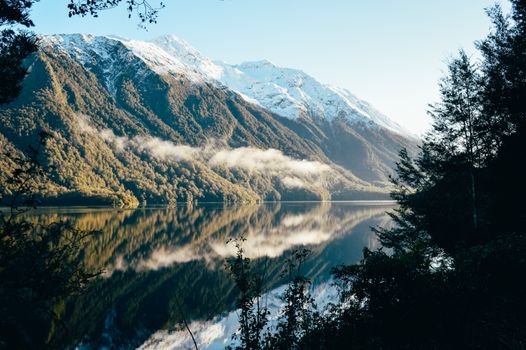
I stepped off the aluminum skiff onto the wet, kelp-strewn granite ledge of Punchbowl Cove, and the air hit my lungs like cold gin. Spruce needles, crushed cedar, and glacial silt perfumed the low-hanging fog. Above me, vertical rock walls sheer-carved by ancient glaciers plummeted 3,000 feet straight into black, glass-calm fjord water. Waterfalls fell from high alpine Cirques like thin silver threads, humming a low bass note against the silence.
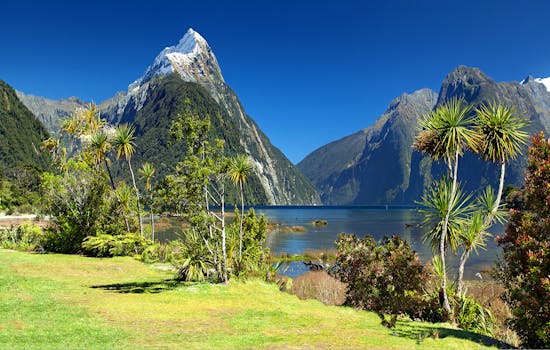
If you had dropped me here blindfolded, I would have sworn on my passport I was standing at the edge of Milford Sound in New Zealand’s Fiordland.
Instead, I was in Southeast Alaska, less than two hours by floatplane from Ketchikan.
For years, high-end travel advisors have quietly kept a secret list of domestic sanctuaries for clients eager to experience Aotearoa's wild, ethereal geography without the brutal jet lag, international border queues, and sky-high long-haul airfare. From the mist-draped rainforests of the Pacific Northwest to the razor-toothed peaks of Colorado’s San Juans, America houses landscapes so uncannily similar to New Zealand’s South Island that even Kiwi expats double-take.
Here are the five definitive American landscapes that travel advisors suggest when you crave the raw magic of New Zealand.
---
1. Misty Fjords National Monument, Alaska: The Twin of Milford Sound
```
New Zealand Counterpart: Milford Sound / Doubtful Sound (Fiordland)
Key Aesthetic: Sheer granite sea cliffs, black fjord waters, ancient coastal rainforest, hanging valleys.
```
When travel advisors pitch alternatives to New Zealand's Southland, Misty Fjords National Monument is always at the top of the dossier. Encompassing over 2 million acres of pristine wilderness within the Tongass National Forest, this roadless paradise mirrors Fiordland’s dark water corridors and dramatics.
Glaciers carved these deep, U-shaped sea canals thousands of years ago, leaving behind massive sea-cliffs that loom thousands of feet over the water. Moisture-laden ocean winds bring over 150 inches of rain annually, dressing every rock face in dense ferns, sitka spruce, and cascading ribbons of white water.
What Makes it Feel Like NZ
Like Milford Sound, the atmosphere here is atmospheric, dark, and primordial. Wildlife abounds in uncanny numbers: pod-dwelling orcas cut through dark inlet waters, mountain goats cling to impossibly sheer rock faces, and coastal brown bears forage along sedge meadows at low tide.
Pro-Tips for Visitors
* The Golden Hour Flight: Skip the massive mega-cruise ship excursions. Book a private bush-plane flightseeing tour out of Ketchikan with Taquan Air or Island Wings. Ask your pilot to touch down on Lake Reflection, a secluded alpine lake surrounded by sheer cliffs.
* Avoid the Crowds: Arrive in Ketchikan during the shoulder season (late May or early September). You’ll dodge the height of cruise ship foot traffic while catching peak bear-feeding windows.
* The Hidden Route: Rent a sea kayak from local outfitters and take a water taxi deep into Rudyerd Bay. Paddling under the 3,100-foot face of New Eddystone Rock in complete solitude matches anything in Doubtful Sound.
---
2. San Juan Mountains, Colorado: The Southern Alps Doppelgänger
```
New Zealand Counterpart: Mount Cook (Aoraki) & The Southern Alps
Key Aesthetic: Turquoise alpine tarns, jagged volcanic ridges, golden tussock basins, historic mining outposts.
```
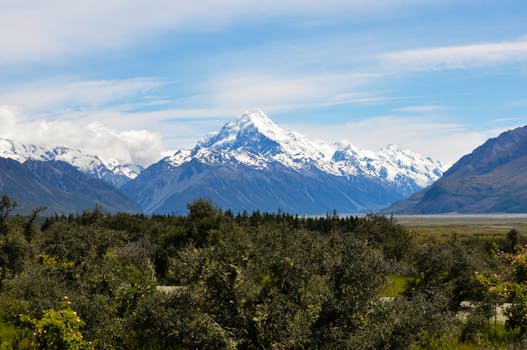
The Southern Alps are famous for their sheer vertical relief and icy blue lakes like Pukaki and Tekapo. If you want that exact high-alpine intensity, travel advisors point their compasses toward southwest Colorado's San Juan Mountains, specifically the corridor between Telluride, Silverton, and Ouray.
Geologically distinct from the rest of the Rockies, the San Juans are steeper, younger-looking, and riddled with iron-rich, emerald mineral basins. The region’s dramatic terrain creates high-altitude basins where glacial flour paints alpine lakes a shocking, electric turquoise.
What Makes it Feel Like NZ
Trekking through Ice Lakes Basin near Silverton feels identical to hiking the Mueller Hut Route near Mount Cook. You walk past sub-alpine waterfalls, cross wildflower-covered meadows, and top out at glacial cirques framed by jagged, dark peaks.
Pro-Tips for Visitors
* Beat the Trailhead Rush: The hike to Island Lake and Ice Lake is extremely popular. Start from the Mineral Creek trailhead no later than 5:30 AM. You’ll reach the upper basin just as dawn hits the surrounding summits, long before the crowds arrive.
* Local Secret: Drive the Million Dollar Highway (US-550) from Ouray to Silverton at sunrise. Stop at the Uncompahgre Gorge overlook to see low clouds funneling through the canyon walls—a scene straight out of Arthur's Pass.
* Permit Heads-Up: Keep an eye on local San Juan National Forest regulations; wilderness permits are enforced strictly to protect fragile alpine tundra ecosystems above 11,000 feet. Pack out every scrap of trash.
---
3. Hoh Rain Forest, Washington: The Fiordland Canopy
```
New Zealand Counterpart: West Coast Rain Forests & Lake Matheson Forest
Key Aesthetic: Moss-draped coniferous giants, prehistoric ferns, river flats, eternal mist.
```
New Zealand's West Coast rainforests (found along the Haast Pass and around Hokitika) are famous for ferns, mosses, and ancient trees growing under heavy, relentless rain. On the Olympic Peninsula in Washington State, the Hoh Rain Forest delivers an identical sensory experience—with even grander scale.
Receiving up to 140 inches of rain every year, the Hoh is an ancient, green ecosystem dominated by massive Sitka Spruce and Western Hemlock trees, some stretching over 250 feet tall and measuring over 500 years old.
What Makes it Feel Like NZ
The forest floor is carpeted in sword ferns, hanging club mosses, and massive fallen "nurse logs" feeding new generations of trees. Standing in the middle of the Hall of Mosses under a light drizzle produces the exact silent, otherworldly reverence felt in the beech forests of Mount Aspiring National Park.
Pro-Tips for Visitors
* Timing is Everything: The Hoh Rain Forest entrance station can see 2-hour vehicle queues by 10:00 AM in summer. Arrive before 7:30 AM or after 4:30 PM. Early mornings bring ethereal light filtering through moss canopies and abundant Roosevelt elk activity along the river flats.
* The Secret Trail extension: Skip the short 0.8-mile loop after photos and hit the Hoh River Trail. Walk 5 miles out to the Five Mile Island gravel bar. You get sweeping, untamed views of Mount Olympus, framed by roaring white waters and zero crowds.
* Eats & Fuel: Stop by Plaza Jalisco or local seafood shacks in Forks for hearty meals post-hike, and always carry waterproof rain gear—disposable ponchos will fail within twenty minutes here.
---
4. Grand Teton National Park, Wyoming: Lake Wanaka’s Mirror Image
```
New Zealand Counterpart: Lake Wanaka, Lake Wakatipu, and The Remarkables
Key Aesthetic: Vertical mountain ranges bursting straight out of flat valley floors and mirror lakes.
```
One of New Zealand’s iconic views is the jagged teeth of The Remarkables mountain range reflecting in the deep glacial waters of Lake Wakatipu, or Mount Aspiring framing Lake Wanaka.
In the United States, nothing matches this physical composition like Grand Teton National Park in Wyoming. Rising abruptly without foothills, the Teton Range shoots up over 7,000 feet from the floor of Jackson Hole, creating stark, dramatic verticality.
What Makes it Feel Like NZ
The view across Jenny Lake or String Lake toward the Cathedral Group offers the same scale, clarity, and crisp mountain atmosphere found in Otago. Golden grasslands in Jackson Hole match the yellow tussock of the Canterbury Plains, while pristine glacial lakes glisten under high-altitude sunlight.
Pro-Tips for Visitors
* The Photographers' Secret: Skip the oversaturated Snake River Overlook made famous by Ansel Adams. Head instead to Schwabacher Landing at 6:00 AM. Cast-off beaver dams create glass-still pools that perfectly reflect the Grand Teton as the morning sun turns the granite peak bright orange.
* Escape the Crowds: Take the early morning shuttle boat across Jenny Lake to the Hidden Falls trailhead, but don't stop there. Hike past Inspiration Point into Cascade Canyon. Two miles into the canyon, the sounds of tourists vanish, replaced by pikas, moose, and sheer granite towering on both sides.
* Off-Season Sweet Spot: Visit during late September. The aspens turn bright gold (matching the autumn poplars of Arrowtown, NZ), crisp air clears out summer smog, and the elk bugling season begins in full force.
---
5. Na Pali Coast, Kauai: The Abel Tasman & Coromandel Hybrid
```
New Zealand Counterpart: Abel Tasman National Park & Cathedral Cove (Coromandel)
Key Aesthetic: Emerald sea-cliffs, sea caves, turquoise bays, hidden beaches, lush valleys.
```
For travelers drawn to New Zealand’s coastal wonders—like the sea caves of Cathedral Cove or the coastal rainforests of Abel Tasman—Hawaii’s Na Pali Coast on Kauai offers a dramatic alternative.
16 miles of sharp, fluted emerald ridges dropping 4,000 feet into the blue Pacific, the Na Pali coast is an architectural marvel carved by erosion, surf, and volcanic activity over millions of years.
What Makes it Feel Like NZ
Paddling past hidden sea caves, secluded ivory-sand beaches, and dramatic sea-arches feels like a tropical version of New Zealand’s Northland coast. The contrast between deep red volcanic soil, lush emerald foliage, and deep blue water is breathtaking.
Pro-Tips for Visitors
* How to Experience It: Land access is limited to the demanding 11-mile Kalalau Trail (which requires strict permitting months in advance). Instead, book a zodiac boat charter (like Na Pali Coast Hanalei Tours) departing out of the north shore at Hanalei. Zodiacs are small enough to maneuver into sea caves and under waterfalls that large catamarans can't reach.
* Best Time for Flightseeing: Book an open-door helicopter tour (like Jack Harter Helicopters) during early afternoon. The sun strikes the fluted green valleys directly, illuminating hidden waterfalls deep within the Hanakapiai and Awaawapuhi valleys.
* Insider Logistics: If hiking the first two miles of the Kalalau Trail to Hanakapiai Beach, you must secure a park reservation at Haena State Park exactly 30 days in advance at midnight Hawaiian time. Tickets sell out within minutes.
---
Trip Planning Master Logistics & Budget Breakdown
To help you choose the ideal domestic escape, here is a quick-reference breakdown of costs, ideal travel windows, and logistics across all five destinations:
| Destination | Ideal Travel Window | Estimated Daily Budget (Per Person) | Nearest Major Airport | Top Activity |
| :--- | :--- | :--- | :--- | :--- |
| Misty Fjords, AK | Late May – Mid-Sept | $350 – $600 (Includes flightseeing) | Ketchikan (KTN) | Private Floatplane Flightseeing |
| San Juan Mts, CO | July – September | $200 – $400 | Montrose (MTJ) or Durango (DRO) | Hiking Ice Lakes Basin Trail |
| Hoh Rain Forest, WA | May – October | $150 – $300 | Seattle-Tacoma (SEA) | Walking Hall of Mosses at Dawn |
| Grand Teton NP, WY | June – September | $250 – $500 | Jackson Hole (JAC) | Cascade Canyon Deep Trek |
| Na Pali Coast, HI | May – October | $350 – $700 | Lihue (LIH) | Zodiac Sea-Cave Expedition |
---
Travel Advisor Insider Advice: How to Recreate the "NZ Vibe"
To truly capture the soul of New Zealand travel domestically, travel advisors suggest adopting three core trip-building strategies:
- Rent a Campervan or Camper Truck: A huge part of New Zealand’s allure is van life culture. Services like Outdoorsy and Escape Campervans operate across Seattle, Denver, Anchorage, and Salt Lake City. Renting a fully equipped camper lets you wake up at trailheads and chase pristine light without being tethered to hotels.
- Focus on Eco-Luxury Upgrades: New Zealand excels at luxury eco-lodges blended into wild settings. Match this experience domestically by booking high-end boutique stays like Dunton Hot Springs (near the San Juans), Tu Tu' Tun Lodge (Pacific Northwest coast), or Amangani (Jackson Hole).
- Leave Room for Spontaneity: New Zealand’s South Island is loved for its quiet road-tripping vibe. Don't over-schedule every hour. Leave afternoon blocks open to chase unexpected side trails, pulls-offs, roadside produce stands, and quiet alpine rivers.
By seeking out these wild corners of the United States, you can experience world-class fjords, high-alpine peaks, and prehistoric forests—all while keeping your travel seamless, domestic, and unforgettable.
---