The scent of freshly brewed coffee, the distant rumble of an arriving train, the crisp morning air – these are the sensory anchors of travel for me. I stepped off the overnight train in Kyoto, the faint perfume of cherry blossoms still clinging to my scarf, and a wave of anticipation washed over me. Usually, this is where the delightful chaos begins: navigating bustling station halls, deciphering ticket machines, and joining the inevitable queue for the bus. But this time, it was different. Different because of the quiet hum of progress, the invisible threads of technology weaving a tapestry of seamless efficiency. By April 2026, this future isn't just a dream; it's our new reality, thanks to the pervasive adoption of contactless systems.
The Dawn of Frictionless Journeys: Contactless Systems in April 2026
Remember the days of bulky wallets, rummaging for loose change, and the frantic search for your boarding pass? Those are rapidly becoming relics of a bygone era. In April 2026, the travel landscape has been fundamentally reshaped by contactless systems, transforming how we move, stay, and experience the world. It’s about reclaiming our time and minimizing the mundane so we can maximize the magic of exploration.
The Airport Transformed: From Stressful Gauntlet to Swift Passage
My recent journey through Narita Airport was a revelation. The usual pre-flight anxiety was replaced by a surprising sense of calm.
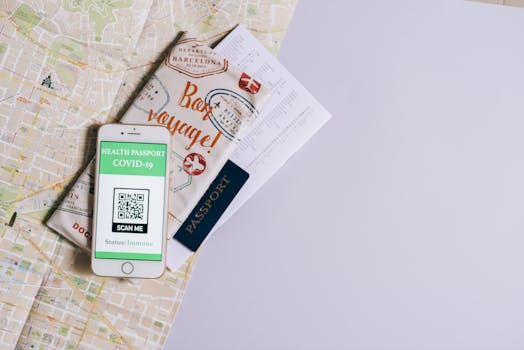
- Biometric Boarding: Gone are the days of presenting physical passports and boarding passes at every checkpoint. At Narita, I simply walked through designated gates where facial recognition, linked to my pre-registered digital travel profile, verified my identity and boarding status. It was almost unnerving how quickly it happened – one moment I was approaching the gate, the next I was through, heading towards the departure lounge.
- Smart Baggage Tagging: My checked luggage? It was tagged with an RFID chip that allowed me to track its journey in real-time via the airline's app. No more anxiously peering at the baggage carousel; I knew exactly when my bag was about to arrive.
- Contactless Retail & Dining: Even the airport shops and restaurants embraced the contactless revolution. QR codes linked to secure payment gateways meant I could order my sushi and pay for that last-minute souvenir without ever touching a terminal or handing over a card.
Pro-Tip:
For the quickest airport experience, ensure your travel apps are updated and your biometrics are securely registered well in advance of your flight. Many airports now offer pre-registration services to expedite the process.
Hotels: Your Digital Sanctuary
Checking into a hotel used to involve a lengthy interaction at the front desk. Now, it’s a breeze.
- Keyless Entry: My smartphone became my key. A few taps on the hotel's app, and my room was ready. The digital key activated as I approached my door, a subtle vibration confirming access. It felt like stepping into a sci-fi movie, but the reality was pure convenience.
- Automated Check-in/Check-out: Many hotels now have self-service kiosks that are entirely contactless. You scan your ID, confirm your details, and receive your room key (or activate your digital key) within minutes. Check-out is equally streamlined – simply confirm your departure via the app or kiosk, and your bill is emailed to you.
- Smart Room Controls: Beyond entry, many hotel rooms in 2026 feature voice-activated or app-controlled amenities. Adjusting the thermostat, dimming the lights, or even ordering room service can be done with a simple voice command or a tap on your device, all without touching a physical switch or button.
Pro-Tip:
Download your hotel’s app before you arrive. Many offer early check-in options and allow you to select your room preferences through the app, further reducing your need to interact at the front desk.
Transit: Navigating Cities with Unseen Ease
The urban commute, often a source of frustration, has been significantly smoothed over.
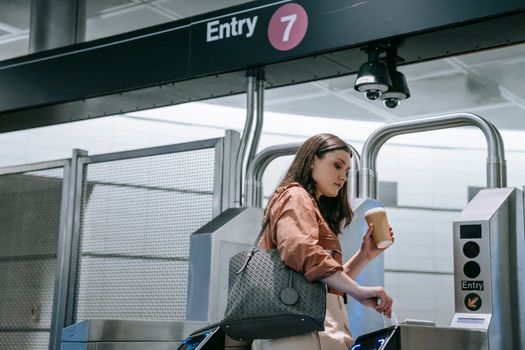
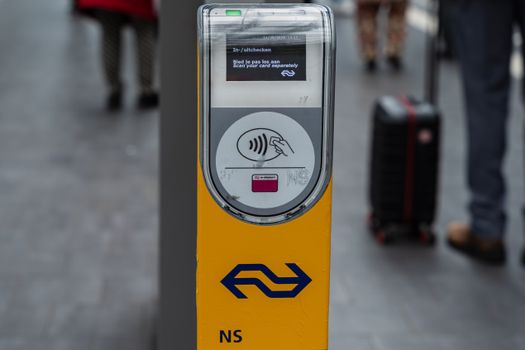
- Tap-and-Go Public Transport: From the subways of Tokyo to the buses in London, contactless payment is now the standard. My travel card or even my credit card simply tapped against the reader, and I was on my way. No more deciphering fare structures or fumbling for exact change.
- Ride-Sharing Integration: Ride-sharing apps have become even more integrated. Payment is automatically processed upon arrival, and you can even opt for contactless pickup points that minimize confusion and direct drivers efficiently.
- Smart City Navigation: Integrated city apps are now providing real-time transit updates, suggesting the most efficient contactless routes, and even pre-booking your onward journey from your arrival point.
Pro-Tip:
Look for city transit apps that integrate with your digital wallet. This allows for a single point of payment for multiple forms of public transport, simplifying your journey significantly.
The Rise of Contactless Dining and Experiences
From Michelin-starred restaurants to bustling street food markets, the way we eat and experience culture has evolved.
- Digital Menus & Ordering: Physical menus are largely a thing of the past. QR codes at tables lead to interactive digital menus, allowing you to browse, customize, and even place your order directly from your phone.
- Contactless Payment at Markets: Even at vibrant, open-air markets, many vendors now accept contactless payments via QR codes or NFC terminals. This speeds up service and reduces the risk of handling cash.
- Virtual and Augmented Reality Experiences: While not strictly "contactless" in the physical sense, many museums and attractions now offer AR overlays or virtual tours accessible via your device. This enhances your understanding and engagement without the need for shared physical touchpoints.
Pro-Tip:
Always check the restaurant's website or social media for their ordering and payment methods before you go. Many will highlight their contactless options.
Behind the Scenes: The Tech Powering the Revolution
It’s easy to enjoy the seamlessness, but what’s really happening behind the curtain?
- NFC (Near Field Communication): This is the magic behind many tap-and-go payments and keyless entries. It allows for secure, short-range data exchange between devices.
- QR Codes: Ubiquitous and versatile, QR codes link physical objects to digital information, from menus to payment gateways.
- Biometrics: Facial recognition, fingerprint scanning, and even gait analysis are being used for secure identity verification, making physical documents less critical.
- AI and Machine Learning: These technologies are crucial for optimizing routes, personalizing recommendations, and ensuring the smooth operation of these complex systems. They learn patterns and predict needs, making your journey even more intuitive.
- Blockchain Technology: While not always visible, blockchain is increasingly used for secure digital identity management and transaction verification, adding a layer of trust and transparency to contactless systems.
The Budget & Logistics of Seamless Travel in 2026
Embracing contactless systems doesn't necessarily mean a higher cost; in fact, it can often lead to savings through efficiency and avoiding late fees or missed connections.
| Feature | Estimated Cost ($) | Best Time to Visit | How to Get There |
| :----------------------- | :----------------- | :------------------------------------------------ | :------------------------------------------------------------------------------------ |
| Airport Biometrics | Free (with app) | Early morning or late evening flights | Download airline/airport app, pre-register biometrics. |
| Keyless Hotel Entry | Free (with booking) | Off-peak seasons for better rates | Book hotels with app-based check-in, download hotel app. |
| Contactless Transit | $2 - $15 per ride | Weekdays for commuting, weekends for leisure | Use city transit apps, ensure digital wallet is linked to transport cards. |
| Contactless Dining | Varies | Lunchtime for value, dinner for experience | Look for QR codes on tables, use restaurant apps for pre-ordering. |
| Smart Luggage Tracking | Free (with service) | Always recommended for checked luggage | Ensure luggage tags are activated via airline app. |
Quick Facts:
- Average Cost of a Seamless Trip: Significantly reduced due to fewer incidental fees and potential for optimized bookings.
- Best Time to Embrace Contactless: Any time! The systems are designed for constant efficiency.
- Connectivity Essential: Reliable internet access (Wi-Fi or cellular) is crucial for most contactless systems.
Insider Language: Navigating the New Normal
You’ll hear terms like "frictionless travel," "digital nomad essentials," and "phygital experiences" thrown around. It means blending the physical and digital worlds to create a more intuitive and enjoyable journey. Don't be afraid to ask about "digital concierge services" or "contactless amenity controls."
My Personal Take:
I used to meticulously plan every single interaction, fearing the unknown. Now, I trust the systems. I can spend more time absorbing the aroma of spices in a Marrakech souk, listening to the rhythmic clang of temple bells in Nepal, or simply enjoying the velvety texture of a perfectly brewed Italian espresso, rather than worrying about the logistics. The efficiency gained isn't just about speed; it's about mental freedom. It’s about being present.
The Future is Now: Adapting to the Contactless Era
The transition to contactless systems is more than a trend; it's a fundamental shift in how we interact with the world of travel. By April 2026, these technologies are not just conveniences; they are the expected standard. For Tripsora, this means curating experiences that leverage this efficiency, ensuring your adventures are as smooth as they are unforgettable.
So, as you plan your next escape, embrace the contactless revolution. Your journey will be lighter, faster, and infinitely more enjoyable.