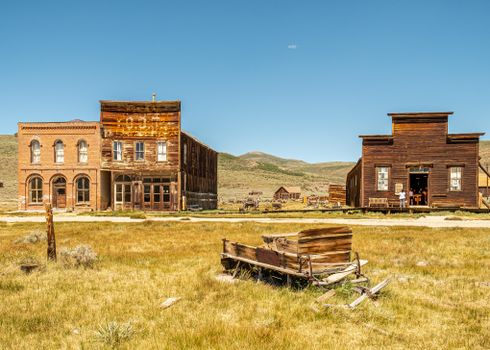
The Whispers of a Vanished World: Why I Hunt for Forgotten Ghost Towns
The desert wind howled, carrying with it the scent of dust and a faint, metallic tang. My boots crunched on what was once a bustling main street, now just a ribbon of gravel weaving between skeletal buildings. A faded sign, barely legible, still proclaimed "Mercantile." Inside, rusted shelves stood empty, a broken piano lay silent in a corner, and the only sound was the incessant creak of a loose shutter. It was my first true ghost town, a forgotten mining settlement deep in Nevada, and I was utterly, irrevocably hooked.
That day, something shifted in my travel philosophy. The bustling cities, the iconic landmarks, they all paled in comparison to the profound silence and raw history of that abandoned place. It wasn't just about seeing something old; it was about feeling the echoes of lives lived, dreams pursued, and communities vanished. It was about finding the stories that time had tried to erase.
But here’s the kicker: the best ghost towns aren't in the guidebooks. They're the ones whispered about, guarded by locals who cherish their solitude and the quiet dignity of their past. These aren't the theme-park-esque "ghost towns" designed for tourists; these are the real deal – places where time truly stood still, waiting for an intrepid soul like you to uncover their secrets.
Today, I'm pulling back the curtain on some of these extraordinary, often overlooked, forgotten ghost towns. These are the places that will challenge your perception of history, ignite your adventurous spirit, and provide photographic opportunities that will make your Instagram followers green with envy. Are you ready to step into the past?
1. Drawbridge, California, USA: The Vanishing City on Stilts
Imagine a town built entirely on stilts, slowly sinking into the marshlands of the San Francisco Bay. No, this isn't a scene from a dystopian novel; it's Drawbridge, California, a place so unique and precarious that its very existence feels like a secret. Once a vibrant resort and hunting community in the late 19th and early 20th centuries, it was accessible only by train – specifically, by convincing the train conductor to stop for you at the little signalman’s shack.
The Story:
Drawbridge was notorious for its lively, often lawless, atmosphere. Weekenders from San Francisco would flock here for duck hunting, fishing, and revelry. There were hotels, saloons, and hundreds of private cabins, all connected by wooden boardwalks precariously perched above the mudflats. But as the Bay Area grew, the surrounding wetlands were drained, the water table dropped, and the town began to literally sink. Pollution, increasing accessibility issues, and the eventual closure of the main railway station sealed its fate. The last resident left in 1979.
Why Locals Keep it Quiet:
Access to Drawbridge is extremely difficult and largely discouraged due to its fragile ecosystem and dangerous, decaying structures. It’s located within the Don Edwards San Francisco Bay National Wildlife Refuge, and trespassing is prohibited. Locals who know about it often see it as a cautionary tale of human encroachment on nature, a delicate ruin best left undisturbed. My own attempts to get close involved a grueling hike through dense marshland – not for the faint of heart, and ultimately, I respected the boundaries set for preservation. The best (and safest) way to experience its mystique is often from a distance, or through historical accounts and aerial photography.
What You'll See (from a respectful distance):
Dilapidated shacks leaning at impossible angles, boardwalks swallowed by the marsh, and an eerie silence broken only by the cries of seabirds. It's a haunting testament to human ambition and nature's reclaiming power.
Practical Tips:
This isn't a place you "visit" in the traditional sense. Respect the protected area and its regulations. If you're passionate about its history, research its fascinating past online, view historical photos, and understand the delicate balance of the Bay ecosystem. This ghost town is more about its powerful story than a physical walk-through.
Instagram-Worthy Moment:
A wide shot of the marshlands with the distant, almost ghostly silhouettes of the leaning structures, capturing the eerie beauty of a town consumed by nature.
2. Kennecott, Alaska, USA: Copper Dreams in the Wilderness
Deep within the vast expanse of Wrangell-St. Elias National Park and Preserve, North America's largest national park, lies Kennecott. This isn't just a ghost town; it's a monumental industrial relic, a testament to the colossal effort it took to extract copper from some of the richest lodes ever discovered.
The Story:
From 1911 to 1938, Kennecott was a booming copper mining operation. The ore was so pure it required minimal processing. The town consisted of the mining camp high on the glacier and the mill town below, complete with a hospital, school, general store, and bunkhouses. Imagine the grit, the isolation, the sheer will of the thousands who lived and worked here, connected to the outside world only by a 196-mile railway to Cordova. When the copper ran out, the town was abandoned virtually overnight in 1938, leaving everything behind.
Why Locals Keep it Quiet:
While part of a national park, Kennecott is still incredibly remote and relatively challenging to reach. It’s a 60-mile drive down a gravel road from McCarthy, itself a tiny, isolated community. This isolation keeps mass tourism at bay, preserving its raw, untouched feel. The "locals" here are often the park rangers and a handful of intrepid residents who value the quietude and the powerful history of the place. They want visitors who are genuinely interested in its preservation, not just a quick photo op.
What You'll See:
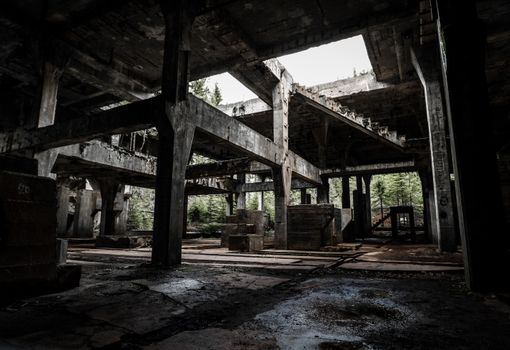
The colossal 14-story concentrator mill building, a true marvel of early 20th-century engineering, dominates the landscape. Explore the general store, the power plant, the bunkhouses, and the superintendent's office – many still filled with original equipment and artifacts. You can also hike up to some of the old mine entrances (with caution and proper gear). The sheer scale and preservation are breathtaking.
Practical Tips:
* Getting There: Fly into Anchorage or Fairbanks, then drive to Chitina. From Chitina, it's a 60-mile gravel road to McCarthy. You must park your car outside McCarthy and cross a footbridge. From McCarthy, it's a 5-mile walk or shuttle ride to Kennecott.
* Cost: While the town itself is free to explore, guided tours of the mill building are highly recommended (around $30-40) to learn its history and ensure safety.
* Accommodation: Limited options in McCarthy, book far in advance (e.g., McCarthy Lodge, Ma Johnson’s Hotel).
* Best Time to Visit: Late May to early September, when the weather is milder and services are open.
* Gear: Sturdy hiking boots, layers of clothing (weather changes quickly), bear spray, insect repellent, plenty of water, and a good camera.
My Anecdote:
Standing inside the vast, echoing shell of the concentrator mill, I could almost hear the clatter of machinery, the shouts of workers, the very pulse of the place. It was cold, even in summer, and the wind whistling through broken panes felt like the town itself sighing. I spent hours just wandering, imagining the lives lived here, miles from anywhere. It was humbling.
Instagram-Worthy Moment:
The iconic red-and-white concentrator mill against the backdrop of towering snow-capped mountains and the Root Glacier.
3. Terlingua, Texas, USA: The Quicksilver Ghost with a Pulse
Terlingua is a ghost town that refuses to die. Nestled in the Chihuahuan Desert near Big Bend National Park, it’s not entirely abandoned, but its ghost of a quicksilver mining past looms large, giving it an undeniably eerie and captivating atmosphere.
The Story:
Terlingua boomed in the early 20th century, becoming one of the largest producers of cinnabar (mercury ore) in the United States. Thousands flocked here, drawn by the promise of quicksilver riches. But like many mining towns, its fortunes were tied to the market. After World War II, demand plummeted, and the mines closed, leaving behind a skeletal town and a handful of stubborn residents.
Why Locals Keep it Quiet (or at least quirky):
Terlingua maintains a fiercely independent and eccentric spirit. The "locals" are a mix of artists, adventurers, and old-timers who have embraced the desert lifestyle and the town's unique history. They're wary of it becoming over-commercialized, preferring visitors who appreciate its raw charm and laid-back vibe rather than those seeking typical tourist amenities. They might not actively "hide" it, but they certainly don't advertise it to the masses.
What You'll See:
The original Chisos Mining Company office, the crumbling St. Agnes Church, the old jail, and a vast "cemetery" filled with wooden crosses and scattered rocks. The main "town" area today has a few quirky shops, a renowned restaurant (Starlight Theatre Restaurant & Saloon), and a handful of accommodations, blending the past with a vibrant, if small, present. The annual Terlingua Chili Cook-off is legendary!
Practical Tips:
* Getting There: Terlingua is remote. It's a long drive from major Texas cities. The closest airport is El Paso (5-hour drive).
* Accommodation: Options range from rustic cabins to glamping tents and a few motels. Book ahead, especially during peak season (fall/spring).
* Cost: Exploring the ghost town is free. Expect typical small-town prices for food and lodging.
* Best Time to Visit: Fall through spring, as summer temperatures are scorching.
* Gear: Plenty of water, sun protection (hat, sunscreen), sturdy shoes, and a sense of adventure. Remember to explore the Big Bend National Park nearby!
My Anecdote:
I once spent an evening at the Starlight Theatre, listening to live music under a sky ablaze with stars, knowing I was sitting in what was once a grand movie theater in a mercury mining town. The juxtaposition of the lively music and the surrounding ruins was surreal. It felt like time had folded in on itself.
Instagram-Worthy Moment:
The Terlingua Ghost Town cemetery at sunset, with the Chisos Mountains in the background, or the iconic "Terlingua Ghost Town" sign.
4. Humberstone and Santa Laura, Chile: Saltpeter Empires of the Atacama
Venture into the lunar landscapes of Chile's Atacama Desert, and you'll stumble upon two remarkable ghost towns: Humberstone and Santa Laura. These UNESCO World Heritage Sites are not just ruins; they are perfectly preserved snapshots of a vanished industry and a unique way of life.
The Story:
From the late 19th to the mid-20th century, these "oficinas salitreras" (saltpeter works) were thriving industrial communities built around the extraction and processing of caliche, a mineral used to produce sodium nitrate, a crucial fertilizer and explosive ingredient. Thousands of workers and their families lived here, creating self-sufficient towns with houses, schools, hospitals, theaters, and even swimming pools. The invention of synthetic nitrate in Germany ultimately led to their decline, and by the 1960s, both were abandoned.
Why Locals Keep it Quiet:
While UNESCO-listed, their remote location in the Atacama Desert means they don't see the same tourist crowds as other World Heritage Sites. Many Chileans know of them, but they're often considered a niche interest for history buffs or those specifically exploring the desert. The "secret" here isn't about hiding them, but about their relative obscurity to mainstream international tourism, allowing for a more intimate and reflective experience.
What You'll See:
At Humberstone, walk through the main plaza, visit the theater (complete with stage and seating), the market, the church, the school, and rows of workers' houses. The general store is particularly fascinating, stocked with dusty, period-specific goods. Santa Laura focuses more on the industrial machinery, offering a raw look at the processing plants. The dry desert climate has preserved everything remarkably well, down to the wallpaper in some homes.
Practical Tips:
* Getting There: Fly into Iquique (Chile), then rent a car or hire a taxi/tour. Humberstone and Santa Laura are about 45 minutes inland from Iquique.
* Cost: There's an entrance fee for both sites (around 5,000-7,000 CLP, roughly $6-9 USD).
* Accommodation: Stay in Iquique or nearby Pica.
* Best Time to Visit: Year-round, as the Atacama is always dry. Avoid midday in summer for extreme heat.
* Gear: Sunscreen, hat, sunglasses, plenty of water, comfortable walking shoes. The sun is intense.
My Anecdote:
Walking into the Humberstone theater, I felt a shiver. The seats were still there, the stage set, as if the audience had just stepped out for intermission. Imagining the vibrant life that once filled these spaces, so far from any major city, was incredibly moving. It’s a powerful reminder of how global economies can shape – and shatter – communities.
Instagram-Worthy Moment:
The iconic swimming pool at Humberstone (now filled with sand), or the intricate machinery at Santa Laura against the stark desert backdrop.
5. Craco, Basilicata, Italy: The Medieval Hilltop Ghost
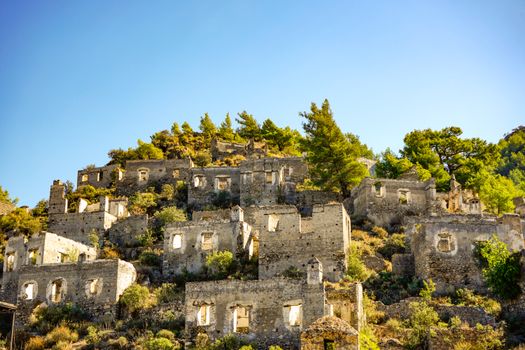
Perched dramatically on a craggy hilltop in Italy's southern Basilicata region, Craco looks like something out of a medieval fairy tale – or a nightmare. This ancient village, with its tiered houses clinging precariously to the rock, was abandoned not by choice, but by the relentless forces of nature.
The Story:
Craco dates back to the 8th century, a strategic stronghold that saw centuries of feudal lords, religious orders, and peasant life. Its population peaked in the late 19th century, but then began to decline due to poverty and emigration. The final blow came in the 1960s, when a series of devastating landslides, exacerbated by poor infrastructure and seismic activity, forced the remaining residents to evacuate. The town has been empty ever since, a silent sentinel overlooking the valley.
Why Locals Keep it Quiet:
Craco isn't entirely "secret," having been featured in films like The Passion of the Christ and Quantum of Solace. However, it's deep in a less-traveled part of Italy, far from the Tuscan hills or Amalfi Coast. Locals in the nearby "new" Craco Peschiera often view the old town with a mix of reverence and melancholy, a symbol of their lost heritage. They prefer respectful visitors who understand its tragic history and the dangers of its crumbling structures. Access is restricted and requires a guided tour for safety.
What You'll See:
A breathtaking panorama of a medieval ghost town. The Norman tower, the crumbling church bell tower, and the labyrinthine streets are all visible. You can't just wander freely; guided tours (often led by descendants of Craco residents) take you through the safer, designated paths, offering incredible insights into its past.
Practical Tips:
* Getting There: Craco is best reached by car. The closest major cities are Matera (approx. 1.5 hours) or Potenza (approx. 2 hours). Public transport is very limited.
* Cost: Access is strictly by guided tour for safety reasons (around €10-15 per person). Check their official website or local tourist offices for booking.
* Accommodation: Stay in Matera, a stunning UNESCO city itself, or in smaller towns nearby.
* Best Time to Visit: Spring or fall for pleasant weather and fewer crowds. Summer can be very hot.
* Gear: Sturdy shoes (uneven terrain), sun protection, and a wide-angle lens for photography.
My Anecdote:
Standing on the edge of the new town, looking across at old Craco, I felt the weight of history and heartbreak. It's not just ruins; it's a testament to a community's resilience and loss. The guided tour, led by a man whose grandmother had lived there, brought the empty stones to life in a way I'd never experienced before.
Instagram-Worthy Moment:
A panoramic shot of the entire medieval town perched on the cliff, especially at sunrise or sunset, or a close-up of the crumbling architecture with the valley stretching out below.
6. Pyramiden, Svalbard, Norway: The Frozen Soviet Dream
This is perhaps the most remote and truly "forgotten" ghost town on our list. Pyramiden, a former Soviet mining settlement on the Arctic archipelago of Svalbard, is a time capsule frozen in the extreme north.
The Story:
Established by Sweden in 1910 and sold to the Soviet Union in 1927, Pyramiden was a model Soviet community, showcasing the best of communism. It boasted a hospital, school, cultural center with a swimming pool and basketball court, a library with 50,000 books, and even the world's northernmost bust of Lenin. Life here was surprisingly comfortable, designed to make workers feel privileged. But after the collapse of the Soviet Union, economic viability dwindled, and in 1998, the last permanent residents departed, leaving everything behind.
Why Locals Keep it Quiet:
Svalbard is wild and pristine. While there's a small Russian-owned hotel/hostel and guided tours are available, the sheer remoteness and the strict environmental regulations mean it's not a casual tourist stop. The "locals" are primarily researchers, adventurers, and the handful of people who staff the small, active Russian settlement of Barentsburg. They understand the fragility of the Arctic environment and the unique historical significance of Pyramiden, preferring visitors who are genuinely respectful and prepared for the challenging conditions.
What You'll See:
A remarkably preserved Soviet town. The cultural center, the swimming pool (still filled with water!), the cafeteria with dishes still on tables, the school with children's artwork – it's like everyone just left for a long weekend and never came back. The iconic Lenin bust stands guard over the abandoned town, framed by glaciers and mountains.
Practical Tips:
* Getting There: Fly to Longyearbyen, Svalbard (Norway). From there, Pyramiden is accessible by boat in summer (June-September) or snowmobile in winter/spring (March-May). Tours are mandatory for safety (polar bears!) and access.
* Cost: Boat tours from Longyearbyen can range from $150-300+ USD, often including lunch and a guided tour of Pyramiden. Snowmobile tours are typically more expensive.
* Accommodation: There's a small, basic hotel in Pyramiden itself (Tulip Hotel) or you can stay in Longyearbyen.
* Best Time to Visit: Summer for boat access and milder temperatures; winter for snowmobile adventures and the surreal beauty of the polar night.
* Gear: Extreme cold weather gear is essential, even in summer (layers, warm jacket, hat, gloves, waterproof boots). Binoculars for wildlife (polar bears are a real threat, tours are armed).
My Anecdote:
Stepping off the boat onto the pier at Pyramiden, the silence was absolute, broken only by the distant creak of a glacier. Our guide, armed with a rifle for polar bear protection, led us through the buildings. Seeing the swimming pool, pristine and blue, in such a desolate place, was truly mind-boggling. It felt like walking through a dream, a perfectly preserved museum of a bygone ideology.
Instagram-Worthy Moment:
The Lenin bust with the majestic Arctic landscape behind it, or the swimming pool in the cultural center, a splash of vibrant blue in the stark environment.
Beyond the Beaten Path: Your Ghost Town Adventure Awaits
These forgotten ghost towns are more than just crumbling buildings; they are gateways to untold stories, reminders of human resilience, ambition, and the relentless march of time. They offer a profound sense of connection to the past that crowded museums simply cannot replicate.
Before You Go: Essential Tips for the Intrepid Ghost Town Explorer
- Research, Research, Research: Always know the history, access rules, and potential dangers of any ghost town you plan to visit. Some are on private land, some are protected, and some are genuinely hazardous.
- Safety First: Ghost towns are often remote, with unstable structures, open shafts, and potential wildlife. Never go alone. Tell someone where you're going. Wear sturdy closed-toe shoes and bring a first-aid kit.
- Leave No Trace: This is paramount. Take nothing but photos, leave nothing but footprints. Do not disturb artifacts, remove anything, or add graffiti. Respect the history and the environment.
- Be Prepared: Bring plenty of water, snacks, sun protection, a map, and a fully charged phone (though service might be spotty). Layers of clothing are always a good idea.
- Respect Local Sentiment: If a place is genuinely "off-limits" or locals prefer it remain quiet, respect that. The goal is to experience history, not to contribute to its decay or commercialization.
- Capture the Moment (Responsibly): These places are incredibly photogenic. Think about composition, light, and how to tell a story through your images. But always prioritize safety and respect over the perfect shot.
So, are you ready to trade the well-worn paths for the whispers of the past? To venture where few tourists dare to tread, and uncover the forgotten stories that time has tried to bury? These ghost towns are waiting. Pack your bags, fuel up your sense of adventure, and prepare for a journey into history that you'll never forget.
Which forgotten ghost town captures your imagination the most? Share your thoughts and tell us about your own off-the-beaten-path discoveries in the comments below!
---