Big, expensive cities can drain a travel budget before you have even sat down for dinner. Admission fees, transport and food add up quickly. But many of the world's most interesting cities also have a rich supply of free culture, and you do not need insider secrets to enjoy it. You need to know how free access usually works, where to look and how to plan your days so that the free elements fit together.
This guide explains the main kinds of free attractions, how to find current information, and how to build an itinerary that feels full instead of frugal.
How free access usually works
Free admission to museums and attractions generally falls into a few categories. Understanding them helps you plan.
- Always free. Some national museums, galleries and public buildings charge no admission at all, supported by public funding. Special exhibitions inside may still cost money.
- Free on certain days or times. Many museums offer a free day each month, free evenings or free entry on certain holidays. Schedules differ by city and change often.
- Pay what you wish or suggested donation. Some institutions suggest an amount but allow visitors to pay what they can. Be considerate if you choose to pay less, and give something if you can.
- Free for certain groups. Children, students, seniors, residents or local library card holders may get free or reduced entry. Always carry ID in case it is needed.
- Outdoor and public spaces. Parks, plazas, waterfronts, street art areas, historic districts and some cemeteries or churches are free to visit.
Because all of this changes, treat any list as a starting point and confirm on official websites before you go.
What is almost always free
Even in the priciest cities, certain experiences cost little or nothing.
- Parks and gardens. Large city parks, botanical areas and riverside paths are free and show you how residents spend leisure time.
- Architecture and neighborhoods. Walking through historic districts, old towns or modern skyline areas costs nothing.
- Street art and public sculpture. Many cities have walls, murals and open-air art trails.
- Markets. Browsing food and flea markets is free, and sampling a few small items can make a cheap lunch.
- Places of worship. Many churches, temples and mosques welcome visitors outside services. Dress modestly, speak quietly and respect any rules about photography. Some charge for towers or treasuries.
- Public libraries and civic buildings. Grand libraries and city halls sometimes have notable architecture and exhibits that are open to the public.
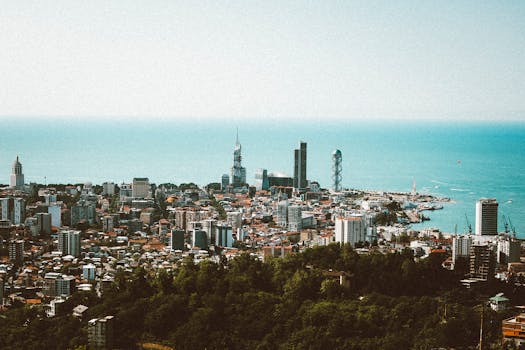
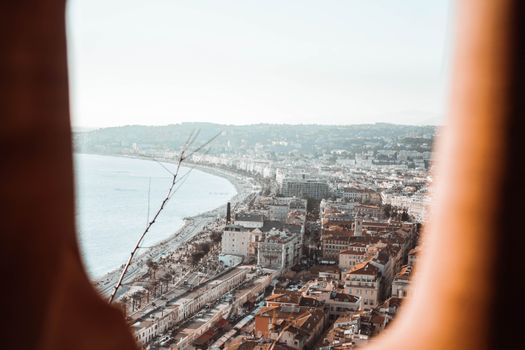
- Waterfronts and viewpoints. Promenades, bridges and hilltop parks give skyline views without paying for an observation deck.
- Festivals and events. Cities frequently host free concerts, parades, open-air cinema and seasonal fairs.
Find current free days and times
Information on free admission can be outdated quickly. Reliable ways to confirm it:
- Check the official website of the museum or attraction, which usually lists admission details and special days.
- Look at the city tourism board site, which often has a page of free or low-cost activities.
- Search for the museum name along with "free admission" and check the date of the result.
- Ask at your hotel or hostel, since staff often know what is currently available.
- Read recent visitor reviews for notes on queues and entry rules.
Also check whether you need to reserve a free ticket in advance. Some museums require timed entry even when admission is free, and popular free days can book out.
Strategies for planning free days
Build around one anchor per day
Choose one major attraction, whether free or paid, and fill the rest of the day with free neighborhood exploration. This avoids both overspending and burnout.
Match free days to your itinerary
If a museum is free on the first Sunday of the month, consider timing part of your trip around it. But be aware that free days can be crowded, so arrive early or visit later in the day. If crowds are a problem, a modest paid ticket on a quiet day might be a better experience.
Take advantage of free evenings
Some museums stay open late with free or reduced entry on certain evenings. These are often relaxed, and some host talks or music. Check the schedule in advance.
Use walking tours carefully
Free walking tours are common in many cities. Guides typically work for tips, so decide on a fair amount in advance and be ready to pay it. Read reviews, check the meeting point and confirm duration. Self-guided walking routes are another good option, using maps from tourist offices or apps.
Consider city passes only if the math works
City passes can be valuable if you plan to visit many paid attractions, but they are less useful if you mainly want free sights. Add up the entry fees of the places you really want to see, compare with the pass price, and consider transport benefits. Do not buy a pass just because it feels like a bargain.
Sample free-focused day in a big city
This is a generic outline you can adapt anywhere.
- Morning: Start with a walk through a major park or along a river, then stop at a neighborhood bakery for breakfast.
- Late morning: Visit a free national museum or gallery. Choose one or two collections instead of trying to see everything.
- Midday: Picnic lunch from a market or grocery store in a park or plaza.
- Afternoon: Explore a historic district or street art area on foot. Pop into a public library or cathedral if open.
- Evening: Watch the sunset from a free viewpoint, then have a simple dinner away from the main tourist streets.
A day like this can cost very little and still feel rich in experience.
Free culture beyond museums
Some of the best low-cost experiences are not on the standard sightseeing list. Think about the everyday cultural life of a city.
- Lunchtime concerts. Some churches, conservatories and universities host short free or donation-based performances. Check noticeboards and websites.
- University campuses. Many have beautiful grounds, small galleries, botanical gardens or public lectures. Open days and public events vary.
- Public libraries and reading rooms. Beyond architecture, some have exhibitions, rooftop terraces or local history displays.
- Cemeteries and memorials. Historic cemeteries can be quiet, beautiful and full of local history. Be respectful and follow posted rules.
- Government and parliamentary buildings. Some allow visits or public galleries when sessions are held, usually with security checks and advance booking.
- Ferries and public transport routes. A regular commuter ferry or scenic tram line can double as a cheap sightseeing trip with great views.
- Bookshops and craft districts. Browsing independent shops is free and shows you what local makers are doing.
- Sports and community events. Local fun runs, markets, open-air films and community festivals often welcome everyone.
Reading the fine print on free entry
Free does not always mean simple. Before you head out, think through the practical details.
- Opening hours. Many museums close one day a week, often Monday, and shorter hours may apply on holidays.
- Security and bags. Large backpacks may need to be checked at a cloakroom, sometimes for a small fee.
- Queue times. Free entrances can have long lines at peak times. Early morning is usually calmest.
- Photography rules. Some collections prohibit flash or tripods, and certain exhibitions ban photos entirely.
- Accessibility. Most public museums have step-free access, but check if you need a lift, seating or quiet hours.
- Dress codes. Religious sites often require covered shoulders and knees.
- Audio guides and extras. These may cost money even when entry is free, so decide whether you want them.
A little checking beforehand saves wasted trips and keeps the day relaxed.
Saving money around the attractions
Free admission is only one part of the budget. Other costs can also be managed.
- Transport. Look at daily or multi-day transit passes if you will use buses and trains often, and walk when the distances are short.
- Food. Make lunch your main meal when restaurants offer set menus, buy picnic supplies and carry a refillable water bottle where tap water is safe.
- Accommodation. Staying slightly outside the center, in hostels, guesthouses or apartments, can reduce costs. Compare total cost including transport.
- Timing. Visiting in shoulder season can lower prices and crowds.
- Souvenirs. Photos, postcards and small local items can be enough.
Be a considerate visitor
Free access is a gift, and it depends on respect.
- Donate if you can, especially at places that suggest it. Small amounts help maintain collections.
- Follow the rules, including bag checks, photography limits and quiet zones.
- Do not overcrowd. If a free day is packed, allow others space to see exhibits.
- Support local businesses by buying coffee, snacks or a book at the museum shop.
- Tip guides fairly on free tours.
- Treat sacred spaces with respect, including appropriate clothing and behavior.
Common mistakes
- Assuming a museum is free without checking current rules.
- Arriving on a free day without reserving a timed ticket when one is required.
- Trying to see too much and rushing through collections.
- Ignoring that special exhibitions may cost extra.
- Forgetting ID for student or resident discounts.
- Depending on out-of-date lists from older blog posts.
Frequently asked questions
Are there really free museums in expensive cities?
Yes, many cities have national or municipal museums with free general admission, while others offer free days or evenings. The details vary, so verify with the institution.
Is it rude to use free days if I can afford to pay?
Not at all, since they are designed for public access. Consider leaving a donation or buying something in the shop if you can.
Are free walking tours really free?
They are free to join, but guides depend on tips. Plan to give an amount that reflects the value you received.
How do I avoid crowds on free days?
Arrive early or late, book a timed ticket if possible, and focus on a few galleries instead of the whole museum.
Summary
Expensive cities are far more accessible than their price tags suggest. Look for museums with permanent free admission, free days and evenings, pay-what-you-wish policies and student or resident concessions, then add the many free outdoor experiences: parks, markets, architecture, street art, viewpoints and festivals. Confirm details on official sites, reserve timed tickets where needed, and balance free activities with one or two paid highlights. Be considerate, donate when you can and enjoy a rich, affordable city break.