We’ve all been there: staring at a departure board, stuck in a taxi, or enduring a cramped bus ride, wondering if there isn't a more... human way to traverse our incredible planet. For years, my travel was defined by efficiency – the fastest flight, the most direct train. But then, I had a moment of epiphany, or perhaps, a moment of delightful desperation.
It was in a bustling market town in Southeast Asia, my backpack heavy, the sun relentless, and no conventional taxi in sight. A friendly local pointed to a brightly painted, open-sided contraption that looked like a cross between a golf cart and a party bus. "Songthaew," he grinned. Hesitantly, I climbed aboard, squeezed between a woman clutching a basket of live chickens and a monk engrossed in his phone. The wind whipped through my hair, the streets blurred into a kaleidoscope of colors, and suddenly, the frustration melted away. I wasn't just going somewhere; I was experiencing it, feeling the pulse of the city, sharing a laugh with strangers.
That ride wasn't just a means to an end; it was a revelation. It sparked a quest to uncover the world's most unique, unexpected, and utterly life-changing transportation methods. These aren't just quirky ways to get around; they are gateways to deeper cultural immersion, breathtaking views, and stories you'll recount for years. Forget what you think you know about travel logistics. Here are six transport methods that redefined my adventures forever, and I promise, they’ll change yours too.
1. The Sky-High Commute: Urban Cable Cars (Medellín, Colombia & La Paz, Bolivia)
What it is:
Forget ski resorts! In cities like Medellín and La Paz, cable cars aren't just tourist attractions; they're vital, integrated public transportation systems, soaring high above the urban sprawl.
My first encounter with an urban cable car system was in Medellín, Colombia. I'd heard about the Metrocable but pictured something quaint, maybe a short ride up a hill. What I found was a sprawling network, seamlessly integrated with the city's metro system, transforming once-isolated hillside communities. My initial thought was purely practical: "How efficient!" But as the gondola ascended, lifting me effortlessly above the vibrant, sprawling Comuna 13, my perspective literally shifted. The views were incredible, yes, but it was more than that. I saw kids playing football on rooftops, laundry drying in the sun, street art coming alive from a bird's-eye view. This wasn't just transport; it was a living, breathing panorama of urban life.
Later, in La Paz, Bolivia, I rode Mi Teleférico, the world's highest and largest urban cable car system. Imagine gliding over a city nestled in a high-altitude bowl, with the snow-capped peaks of the Andes piercing the sky. Each line is color-coded, connecting diverse neighborhoods, from the bustling el Alto market to the polished Zona Sur. It felt like flying, offering a quiet, serene escape from the city's chaotic streets below.
Why it's life-changing:
These cable car systems are powerful symbols of social inclusion, connecting previously underserved communities to economic opportunities and services. Riding them offers a unique perspective on urban planning, community development, and the sheer ingenuity of human engineering. You'll witness daily life unfolding beneath you, gaining a deeper appreciation for the city and its people. Plus, the views are genuinely Instagram-gold!
Practical Tips & Details:
* Locations: Medellín, Colombia (Metrocable); La Paz, Bolivia (Mi Teleférico); London, UK (IFS Cloud Cable Car); Grenoble, France (Téléphérique Grenoble Bastille).
* Cost: Generally, these are part of the local public transport network, meaning they're incredibly affordable – often just a few dollars for a ride, or included in a day pass. In Medellín, a single metro/Metrocable ride costs around 3,000 COP ($0.75 USD). In La Paz, a single Teleférico ride is about 3 BOB ($0.45 USD).
* Best Time to Ride: Go during off-peak hours (mid-morning or late afternoon) to avoid commuter crowds. Sunset rides offer spectacular photographic opportunities.
* Safety: These systems are typically very safe and well-maintained. Always keep your belongings secure.
* Instagram Moment: Capture the panoramic cityscapes, the colorful houses, and the distant mountain ranges. Don't forget a selfie with the city stretching out beneath you!
2. The Rolling Hotel: Luxury Sleeper Trains (Vietnam & Europe)
What it is:
More than just a train, a sleeper train is a mobile hotel room that transports you across vast landscapes while you sleep, allowing you to wake up to an entirely new world.
My most memorable sleeper train journey was on Vietnam's iconic Reunification Express, specifically the leg from Hanoi to Da Nang. I opted for a soft sleeper cabin – a cozy compartment with four bunks, shared with three other travelers. The rhythmic clack of the wheels on the tracks was a lullaby, the gentle sway a comforting rock. I remember sharing instant noodles and stories with a Vietnamese family, peering out the window at the moonlit rice paddies, and waking up to the breathtaking sight of the coastline near Hue, the sun painting the sky in fiery hues. It was slow travel at its finest, a journey that became as much a part of the adventure as the destination itself.
European night trains are experiencing a resurgence, offering a sustainable and scenic alternative to short-haul flights. Imagine boarding in Paris, enjoying a delicious dinner, and waking up to the Alps outside your window, ready for a day of skiing in Zurich.
Why it's life-changing:
It's a romantic, nostalgic way to travel that maximizes your time. You save on a night's accommodation, cover significant distances, and avoid airport hassles. It forces you to slow down, appreciate the journey, and often leads to unexpected connections with fellow travelers. Plus, there's something magical about falling asleep in one landscape and waking up in another.
Practical Tips & Details:
* Locations: Vietnam (Reunification Express, e.g., Hanoi-Da Nang, ~16-17 hours, ~$40-70 USD for a soft sleeper); Europe (ÖBB Nightjet across Austria, Germany, Italy, Switzerland; Caledonian Sleeper in the UK).
* Cabin Types: Options range from hard sleeper (basic bunks, often 6-person) to soft sleeper (more comfortable bunks, usually 4-person) to private cabins with en-suite bathrooms on luxury services.
* Booking: Book well in advance, especially for popular routes and private cabins. Websites like Seat61.com are excellent resources for international train travel.
* What to Bring: Earplugs, an eye mask, snacks, water, a good book, and a small lock for your valuables.
* Experience: Embrace the communal aspect if you're in a shared cabin. Chat with locals, share food, and enjoy the unique camaraderie of overnight travel.
3. Navigating Ancient Waterways: Traditional River Boats & Canoes (Mekong Delta, Vietnam & Kerala, India)
What it is:
Stepping onto a traditional wooden boat or a hand-paddled canoe isn't just a ride; it's a journey back in time, offering an intimate connection with nature and local life along the world's vital waterways.
My most profound water-based transport experience was deep in the Mekong Delta, Vietnam. We traded our minivan for a small, wooden sampan, gently propelled by a local woman with a single oar. She navigated us through a maze of narrow canals fringed with nipa palm, past stilt houses, and under bridges barely wide enough for our boat. The sounds were mesmerizing: the gentle lapping of water, the distant calls of vendors, the rustle of leaves. We stopped at a local fruit orchard, tasted fresh coconut candy, and watched life unfold at a pace dictated by the river itself. It was a complete sensory immersion, a stark contrast to the rush of modern travel.
Another unforgettable experience was in the backwaters of Kerala, India. Here, "houseboats" (converted rice barges called kettuvallams) serve as luxury accommodation, but smaller, traditional canoes are still used by locals for daily transport, ferrying goods and people between villages. Gliding through the serene, palm-fringed canals felt like entering another world, far removed from the bustling roads.
Why it's life-changing:
This method forces you to slow down, observe, and connect with the environment and the people who depend on these waterways. You witness unique ecosystems, traditional livelihoods, and a rhythm of life that feels ancient and profoundly peaceful. It’s a powerful reminder of how interwoven human existence is with nature.
Practical Tips & Details:
* Locations: Mekong Delta, Vietnam (Can Tho, My Tho, Ben Tre); Kerala Backwaters, India (Alleppey, Kumarakom); Amazon River Basin (Peru, Ecuador, Brazil); Borneo (Kinabatangan River, Malaysia).
* Cost: Canoe rides can be incredibly cheap, sometimes just a few dollars if used for local transport. Organized tours in the Mekong Delta range from $20-50 USD for a day trip, often including multiple boat rides. Houseboat stays in Kerala can be more luxurious, starting from $100-200 USD per night.
* What to Bring: Sunscreen, a wide-brimmed hat, insect repellent, a waterproof bag for electronics, and plenty of water.
* Respectful Travel: Be mindful of local communities, ask permission before taking photos, and support local businesses.
* Instagram Moment: Capture the reflection of palms on the water, the vibrant colors of floating markets, and the serene expressions of local boat operators.
4. The Heartbeat of the City: Iconic Local Public Transport (Philippines & Thailand)
What it is:
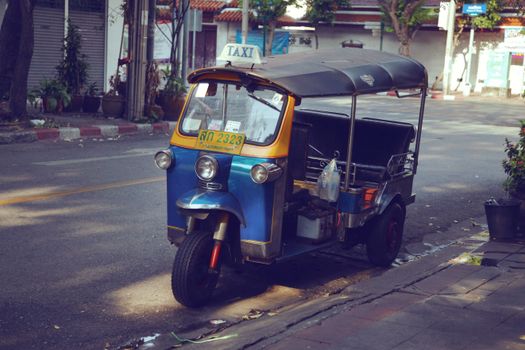
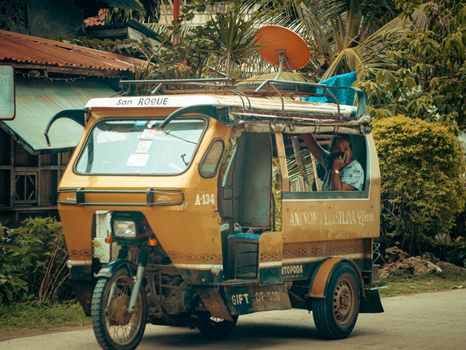
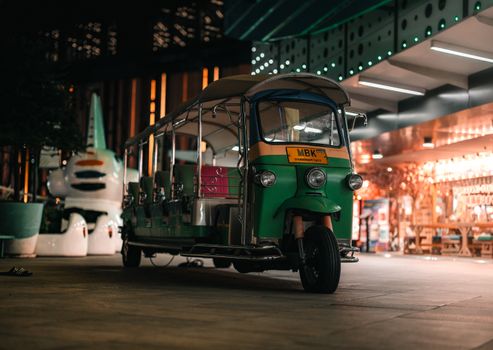
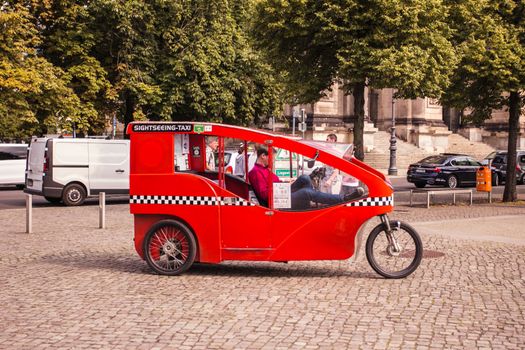
These are the unofficial, often flamboyant, and always bustling public transport vehicles that are the lifeblood of many cities and towns, offering an unfiltered glimpse into local culture. Think Philippine Jeepneys, Thai Songthaews, or the ubiquitous Tuk-tuks.
My first jeepney ride in Manila, Philippines, was a sensory overload in the best possible way. These military-jeep-turned-buses are wildly decorated, each a unique work of art adorned with chrome, religious symbols, and pop culture references. I squeezed into the back, knees-to-knees with strangers, the air thick with exhaust fumes and the sound of blaring pop music. There's no fixed schedule, you simply wave one down, call out your destination, and pass your fare forward to the driver. It was chaotic, exhilarating, and utterly authentic. I learned more about Manila in that 20-minute ride than I could have from any guidebook.
Similarly, in Thailand, hopping on a songthaew (a pickup truck with two benches in the back) or a tuk-tuk (a motorized rickshaw) is an essential experience. Negotiating a price with a tuk-tuk driver in Bangkok, weaving through traffic with the wind rushing past, is an adrenaline rush. The songthaews, often shared and following semi-fixed routes, are a fantastic way to travel like a local in places like Chiang Mai or Phuket.
Why it's life-changing:
These vehicles are not just transport; they are cultural institutions. They offer an immediate, unfiltered immersion into daily local life, forcing you to interact, observe, and adapt. You'll witness the incredible resourcefulness and community spirit of the people, and learn to navigate systems that seem chaotic but have their own unique logic.
Practical Tips & Details:
* Locations: Philippines (Jeepneys); Thailand (Tuk-tuks, Songthaews); India/Southeast Asia (Auto Rickshaws); Mexico (Colectivos).
* Cost: Incredibly cheap! A jeepney ride typically costs less than 1 USD. Tuk-tuks require negotiation, but short rides are usually a few dollars. Songthaews are also very affordable.
* How to Ride: For jeepneys/songthaews, flag them down, tell the driver your destination (or a landmark near it), and hop on. Pay the driver directly (pass money forward in a jeepney). For tuk-tuks, always negotiate the price before getting in.
* Safety: Hold on tight! These rides can be bumpy and fast. Keep your belongings close and be aware of your surroundings.
* Instagram Moment: Capture the vibrant decorations of a jeepney, the blur of city lights from a tuk-tuk, or a candid shot of shared laughter on a songthaew.
5. The Uphill Thrill: Historic Funiculars & Trams (Lisbon, Portugal & San Francisco, USA)
What it is:
These charming, often antique, transport systems are designed to conquer steep hills, offering a nostalgic ride and incredible views. Think of them as open-air elevators with a rich history.
Lisbon’s historic trams and funiculars are legendary, and for good reason. My ride on Tram 28 was less about getting to a specific destination and more about soaking in the city's atmosphere. This bright yellow tram rattles and squeaks its way through the narrow, winding streets of Alfama, past ancient cathedrals and bustling squares. I hung out the open window, feeling the breeze, listening to the clatter, and watching locals go about their day. It’s bumpy, crowded, and utterly magical. Later, I took the Bica Funicular, a tiny, colorful carriage that pulls itself up an impossibly steep street, offering postcard-perfect views back down to the Tagus River.
San Francisco's iconic cable cars are another prime example. The clang of their bells, the sight of the gripman operating the massive lever, and the sudden lurch as they climb Nob Hill – it’s a quintessential San Francisco experience that feels like stepping into a movie.
Why it's life-changing:
These aren't just practical solutions to hilly terrain; they're living pieces of history. They offer a unique, slower pace of travel that allows you to truly observe the architecture, the street life, and the panoramic vistas. It’s a journey that evokes a sense of nostalgia and wonder, connecting you to the city's past and present.
Practical Tips & Details:
* Locations: Lisbon, Portugal (Tram 28, Elevador da Bica, Lavra, Glória funiculars); San Francisco, USA (Cable Cars); Budapest, Hungary (Castle Hill Funicular); Valparaíso, Chile (Ascensores).
* Cost: Often included in city transport passes. In Lisbon, a single tram/funicular ride is around €3, but a 24-hour public transport pass is a better value at around €6.80. San Francisco cable car fares are higher, around $8 for a single ride, but multi-day passes are available.
* Best Time to Ride: Go early in the morning to avoid crowds and get a good spot by a window (or hanging off the side in Lisbon!).
* Safety: These are popular with pickpockets, especially on crowded trams like Lisbon's Tram 28. Keep valuables secure. Hold on tight, as the rides can be jerky.
* Instagram Moment: Capture the iconic yellow trams against Lisbon's colorful buildings, the steep incline of a funicular, or the classic shot of a San Francisco cable car cresting a hill.
6. The Freedom of Two Wheels: Scooter/Motorbike Adventures (Ha Giang Loop, Vietnam & Amalfi Coast, Italy)
What it is:
Renting a scooter or motorbike and embarking on an epic road trip, allowing unparalleled freedom to explore at your own pace, discover hidden gems, and feel the thrill of the open road.
Okay, maybe you know about scooters, but have you experienced them as a life-changing adventure? My journey on the Ha Giang Loop in northern Vietnam completely redefined "freedom" for me. For four days, I navigated winding mountain passes, remote villages, and breathtaking rice terraces on a rented semi-automatic motorbike. The wind was in my hair, the scent of pine and damp earth filled my senses, and every turn revealed a more spectacular vista than the last. There were moments of fear (those narrow mountain roads!), moments of pure exhilaration, and moments of profound peace as I passed smiling children and waving farmers. It wasn't just a scenic drive; it was an odyssey of self-discovery.
Equally enchanting, though perhaps less rugged, is a scooter ride along Italy's Amalfi Coast. Imagine hugging the cliffs, the turquoise Tyrrhenian Sea sparkling below, the scent of lemon groves in the air, stopping at a tiny trattoria for pasta, and pulling over for photos whenever the mood strikes.
Why it's life-changing:
This method grants you ultimate autonomy. You dictate the pace, choose your detours, and stumble upon places no tour bus could ever reach. It’s raw, immersive, and incredibly empowering, connecting you directly to the landscape and the people you encounter along the way. It’s about the journey, not just the destination, amplified to an exhilarating degree.
Practical Tips & Details:
* Locations: Ha Giang Loop, Vietnam; Amalfi Coast, Italy; Bali, Indonesia; Pai, Thailand; various Greek Islands.
* Cost: Scooter rentals typically range from $5-20 USD per day, depending on the location and bike size. Fuel costs are also low.
* Licensing & Insurance: Always check local licensing requirements. An International Driving Permit (IDP) is often required. Ensure your travel insurance covers motorbike accidents, as many standard policies do not.
* Safety First: ALWAYS wear a helmet (it's often legally required and absolutely essential for your safety). Check the bike's condition before renting (brakes, tires, lights). Drive defensively and be aware of local driving styles.
* What to Bring: Offline maps (Google Maps, Maps.me), a phone holder for navigation, a waterproof jacket, sturdy shoes, and a small backpack.
* Instagram Moment: Panoramic shots of winding roads, your bike parked against a stunning backdrop, candid shots of local life you encounter on your detours.
---
These six methods aren't just about getting somewhere; they're about how you feel when you travel. They taught me that the journey itself can be the most profound part of any adventure, offering unparalleled opportunities for cultural immersion, breathtaking views, and genuine human connection. They moved me, literally and figuratively, and changed my entire approach to exploring the world.
So, the next time you plan a trip, challenge yourself to ditch the familiar. Seek out the unique, the traditional, the slightly unconventional way to get around. You might just find that the path less traveled leads to the most extraordinary experiences, changing your life, one ride at a time.
What's the most unusual or life-changing transportation method you've ever experienced? Share your stories in the comments below! Let's inspire each other to travel deeper and more authentically.
---